

Obter direções
Zona da Indústria Têxtil, Cidade de East Hutang, Distrito de Wujin, 213100 Changzhou, China
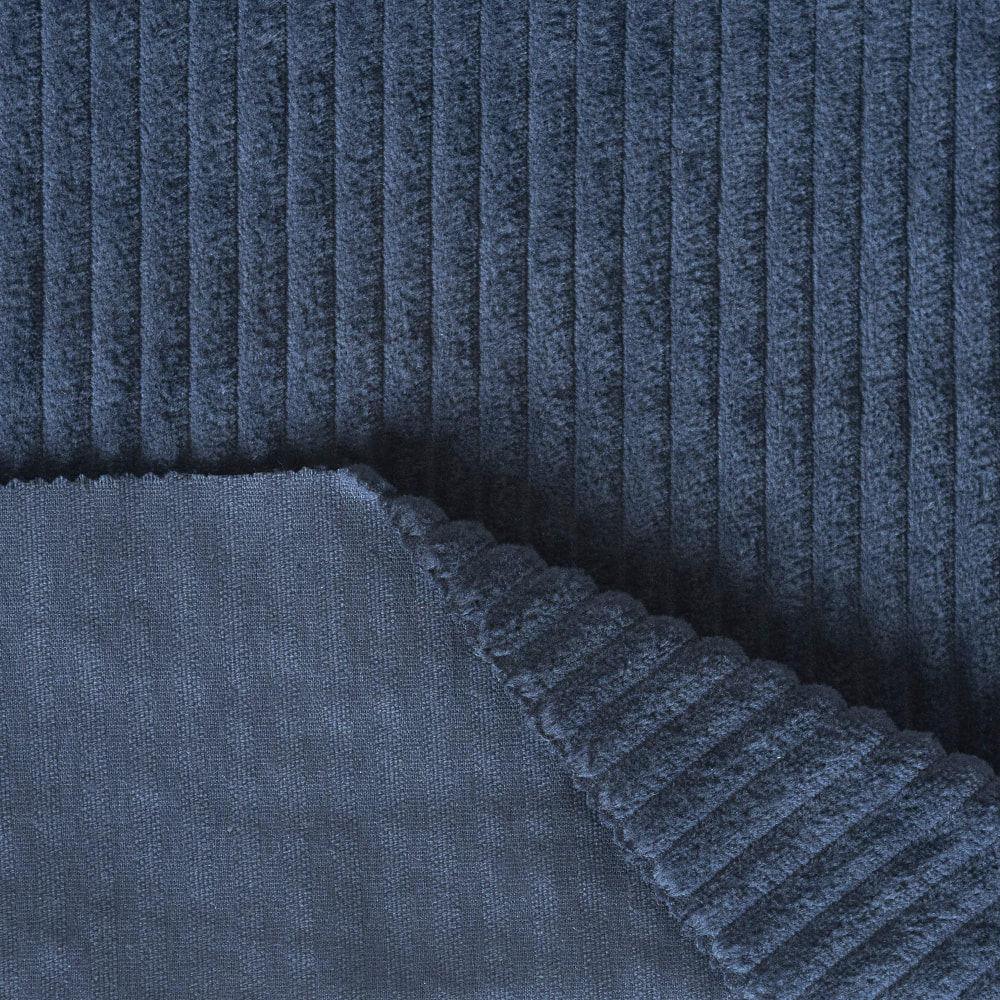
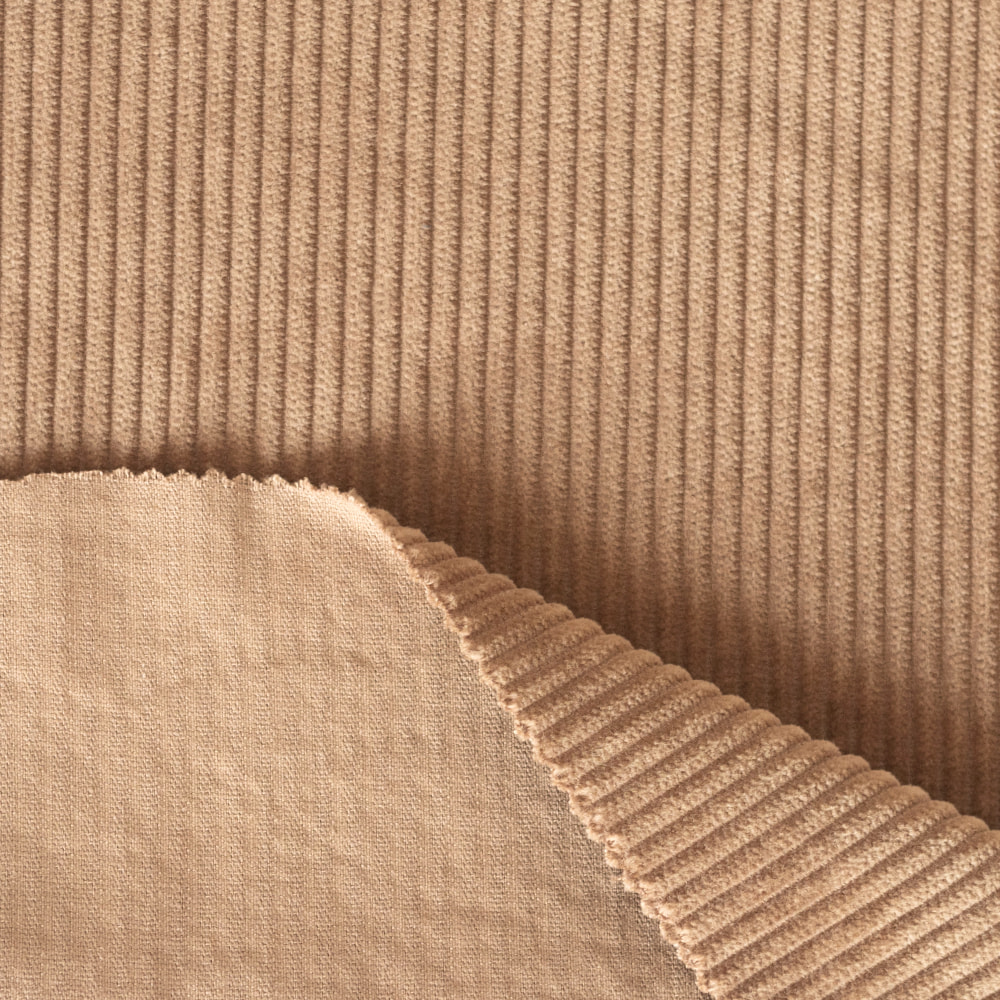
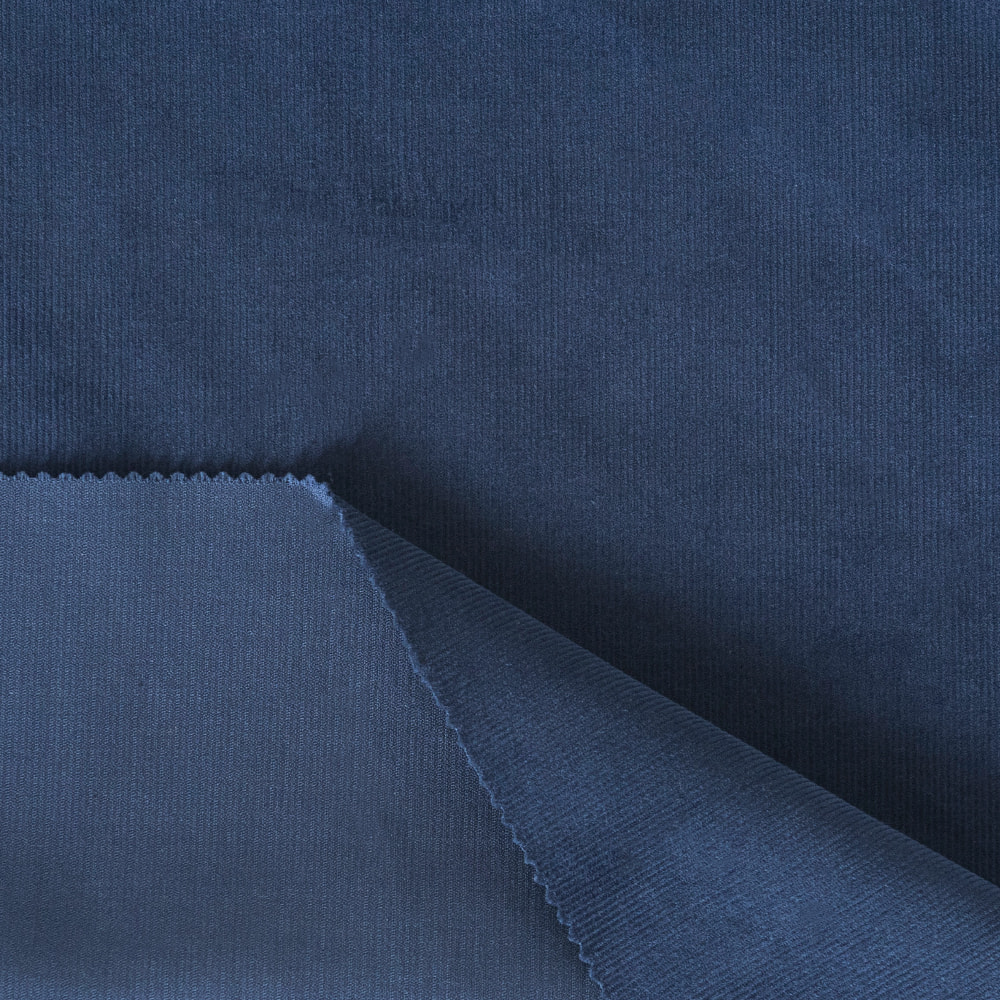
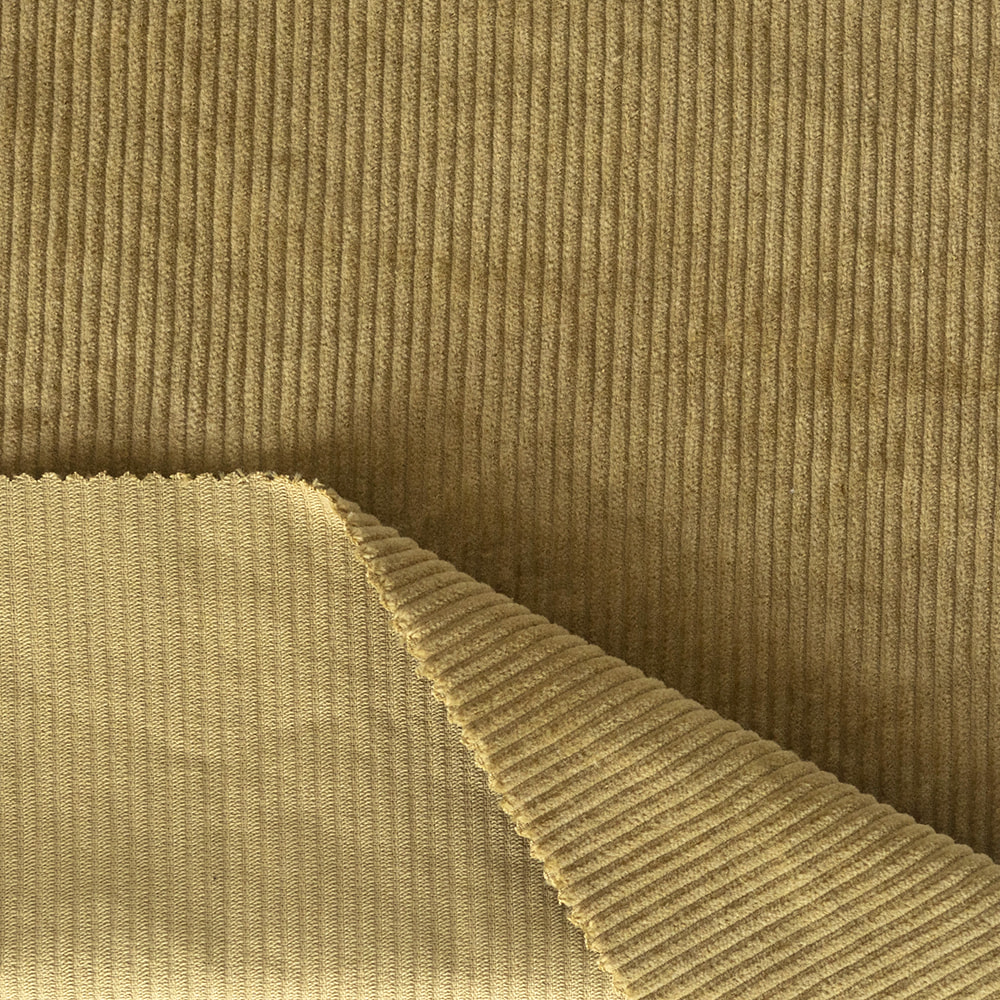
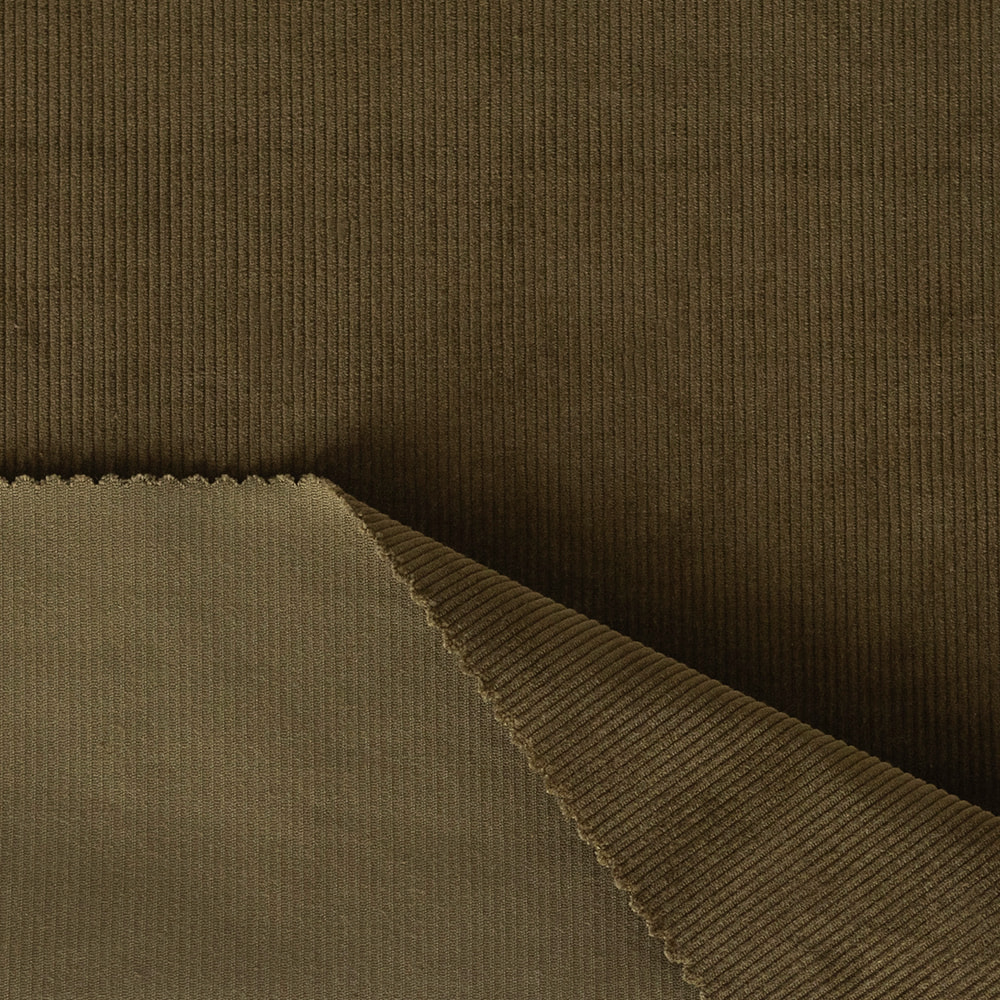
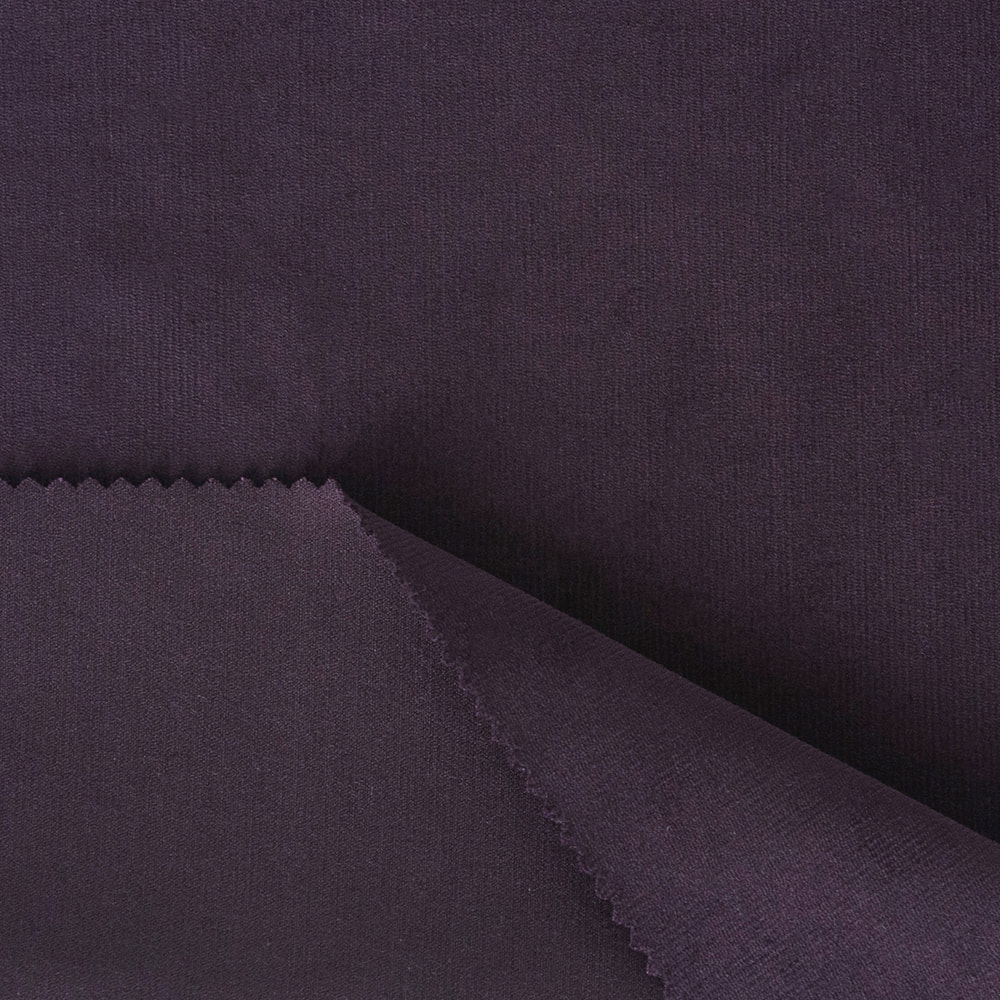
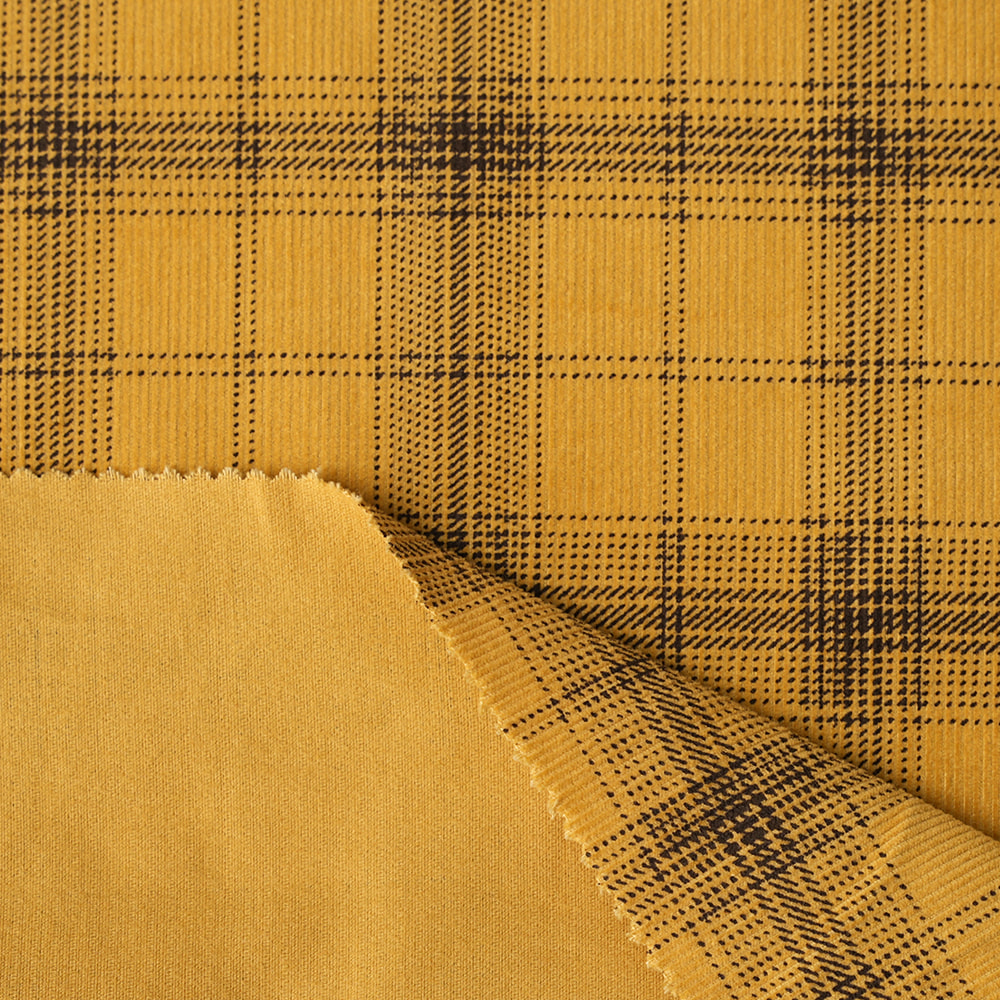
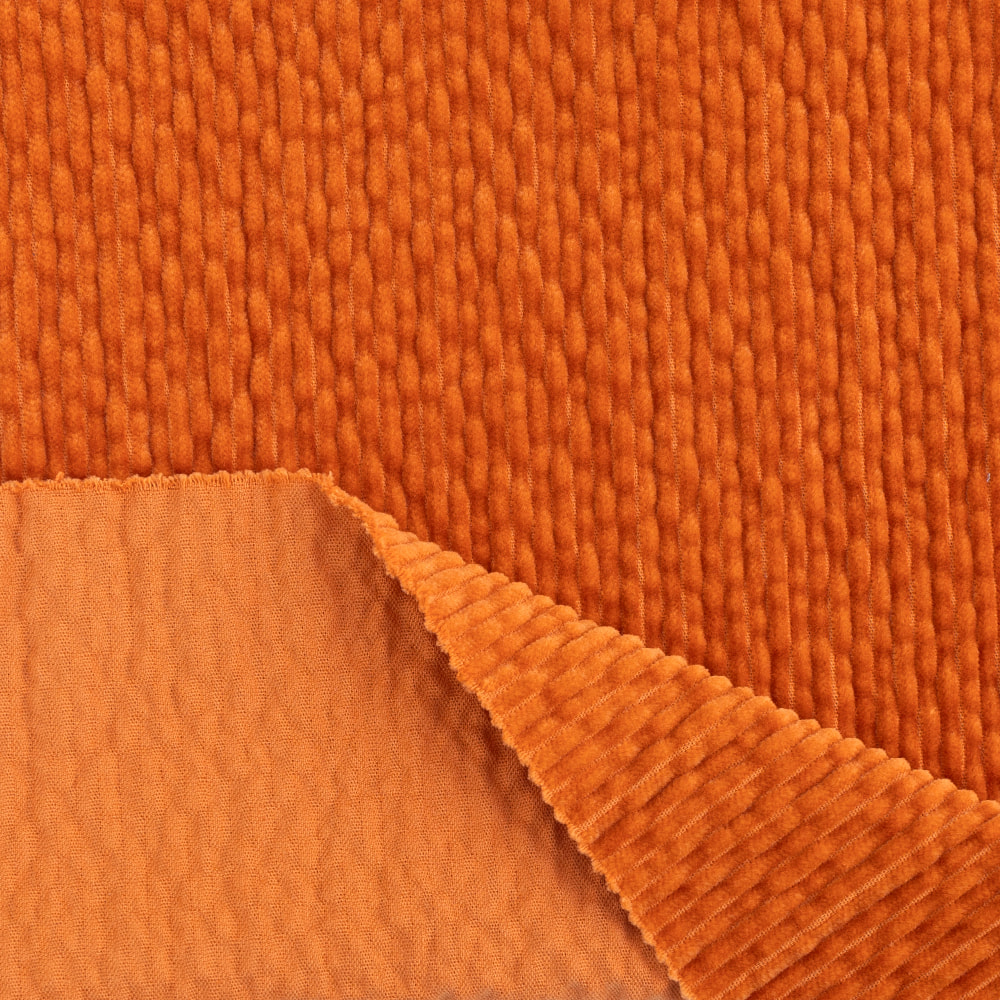
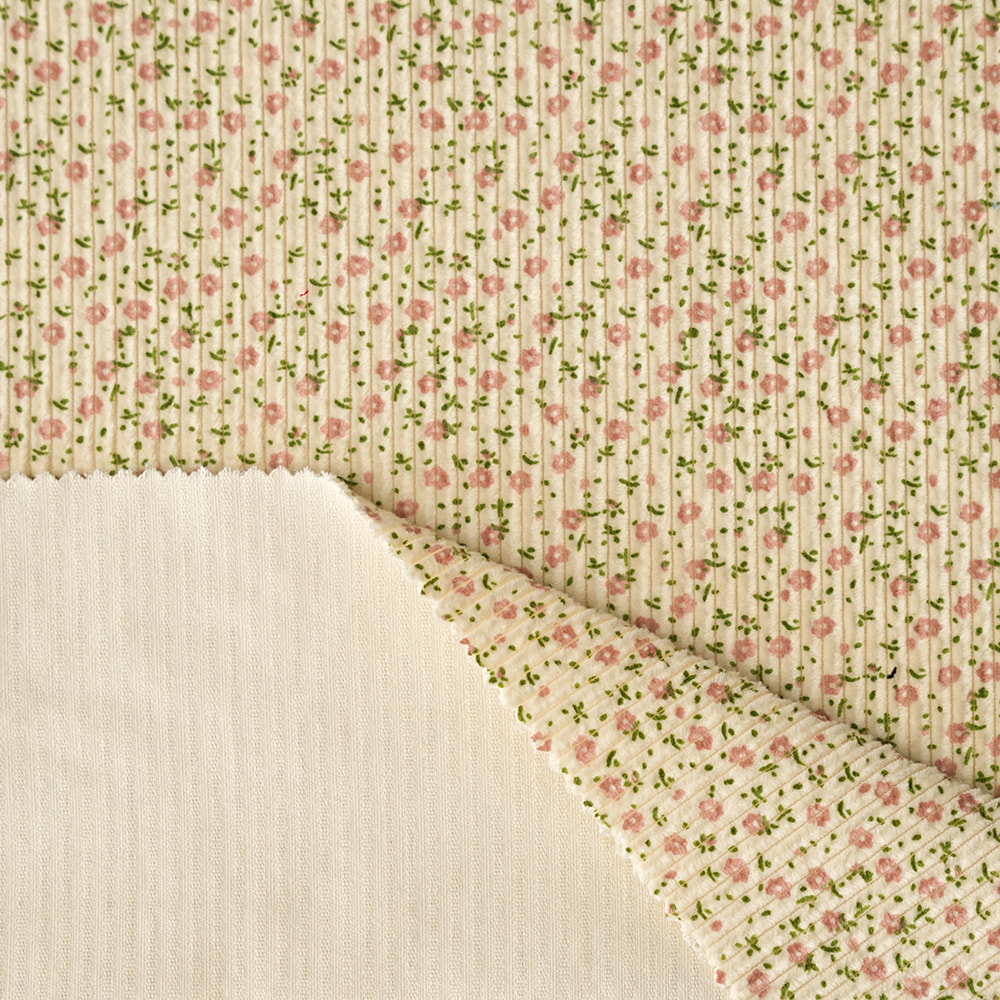
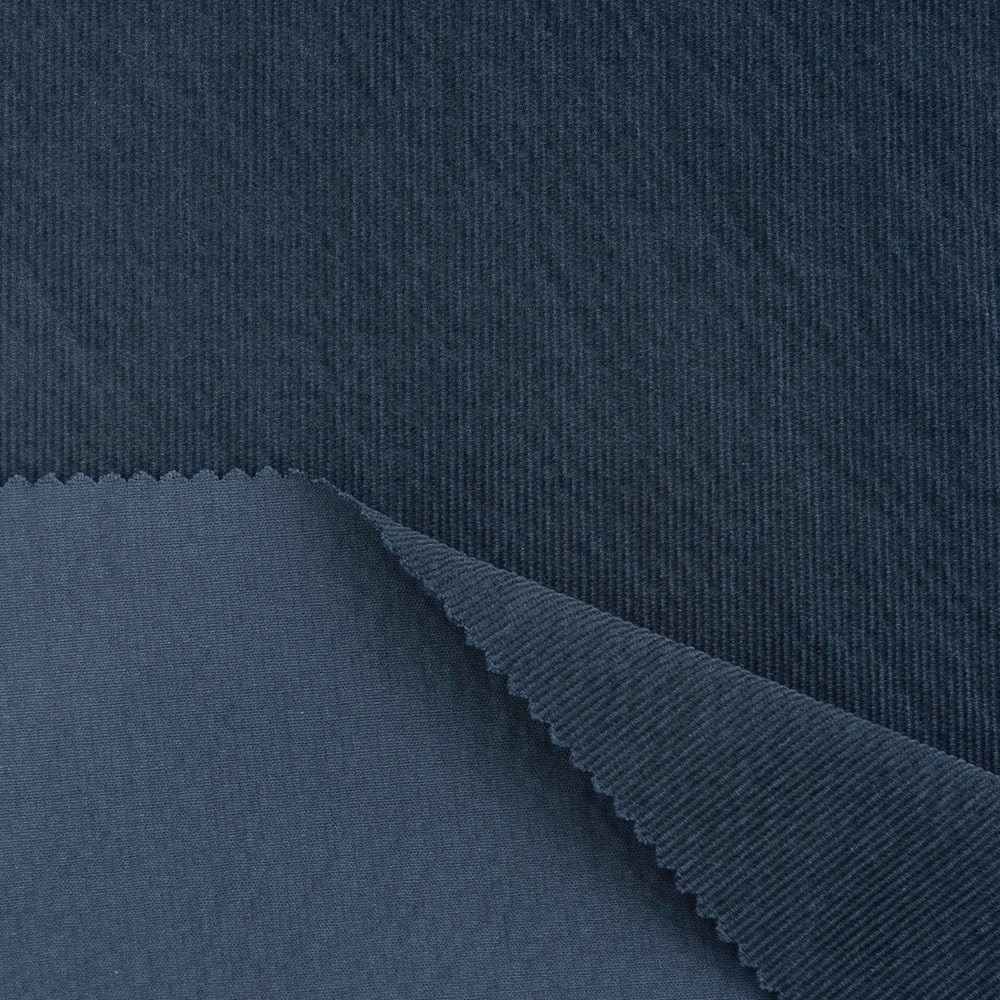
Peça em tecido veludo tingido 100% algodão representa o padrão ouro para têxteis duráveis, respiráveis e esteticamente ricos. O processo de "peça tingida" envolve o tingimento do tecido após a construção, resultando em penetração de cor superior e uma sensação de toque mais suave em comparação com alternativas tingidas com fio. Este método garante que as cristas distintas, ou "gales", mantenham uma profundidade de cor consistente, mesmo sob uso intenso.
Ao contrário das misturas sintéticas, o veludo cotelê de algodão puro oferece excepcional absorção de umidade e propriedades hipoalergênicas. A técnica de tingimento de peças permite uma gama mais ampla de tonalidades vibrantes e profundas porque a tinta interage diretamente com a estrutura têxtil acabada, reduzindo o risco de sombreamento irregular frequentemente observado em fios pré-coloridos. Para designers e consumidores, isto significa um tecido que envelhece graciosamente, desenvolvendo uma pátina única, mantendo a integridade estrutural.
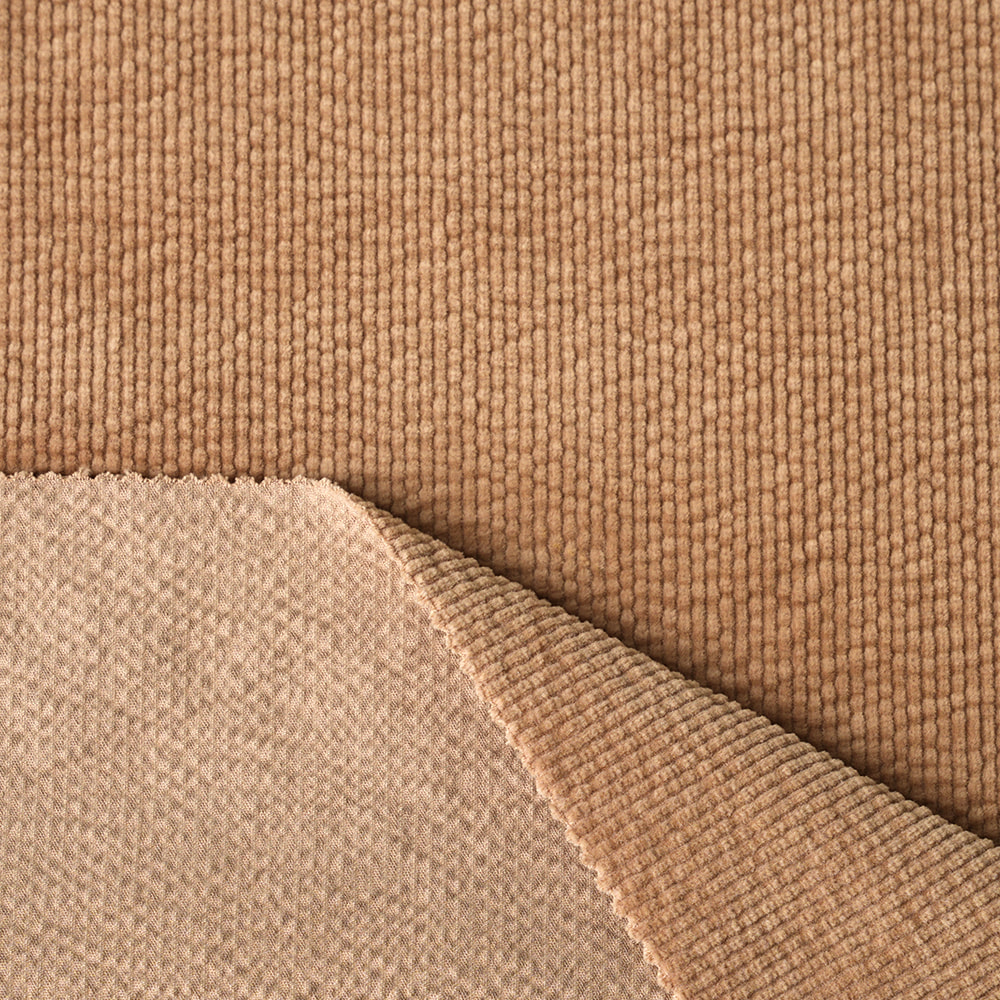
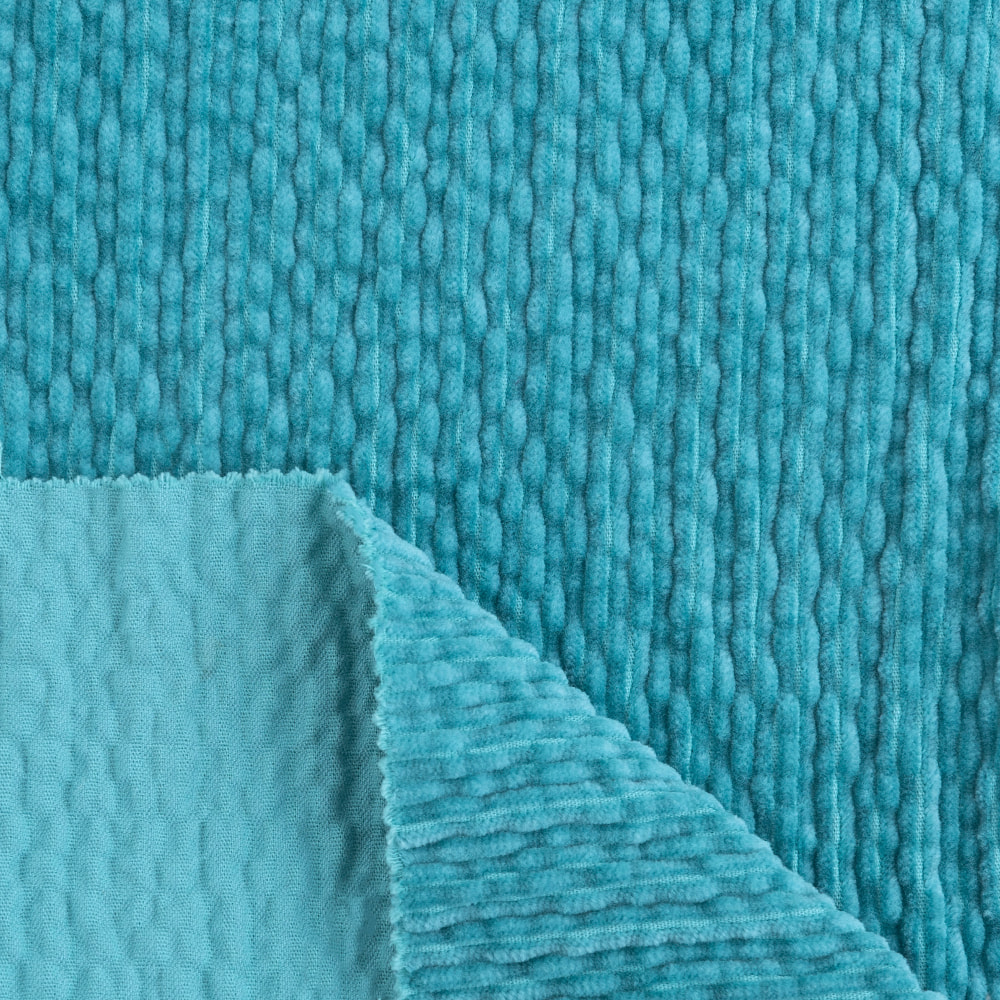
O apelo visual e tátil do veludo cotelê é definido por sua contagem de wale, que se refere ao número de saliências por polegada. A seleção do tamanho correto da parede é crucial para alcançar o desempenho estético e funcional desejado em peças de vestuário ou estofados.
| Tipo Wale | Cumes por polegada | Perfil de Textura | Aplicação ideal |
|---|---|---|---|
| Pinwale | 16 - 21 | Fino, Suave | Camisas, calças leves |
| Midwale | 11 - 15 | Padrão, versátil | Jaquetas, saias, calças casuais |
| Amplo País de Gales | 1,5 - 6 | Ousado, Robusto | Estofados, Casacos Pesados |
Ao trabalhar com tecido de veludo cotelê tingido 100% algodão, observe que galões mais largos tendem a mostrar padrões de desgaste mais rapidamente, mas oferecem uma textura visual mais dramática. Pinwales, por outro lado, proporcionam uma aparência mais refinada, adequada para ambientes profissionais, mas podem exigir uma prensagem mais cuidadosa para manter sua aparência nítida.
A decisão de usar tecido tingido em peça em vez de opções de fio tingido ou tingido em solução impacta significativamente a qualidade do produto final e a flexibilidade de produção. Este método de tingimento pós-tecelagem oferece vantagens distintas tanto para fabricantes quanto para usuários finais.
As modernas instalações de tingimento de peças utilizam cada vez mais máquinas com baixa proporção de água e corantes reativos ecológicos. Como 100% algodão é biodegradável, combiná-lo com processos de tingimento eficientes resulta numa pegada ambiental global mais baixa em comparação com misturas sintéticas que requerem tratamentos químicos mais rigorosos para aceitar a cor. Procure certificações como Padrão Oeko-Tex 100 para garantir que o processo de tingimento atenda a rigorosos critérios ambientais e de segurança.
O cuidado adequado é essencial para manter a textura e a vitalidade da cor do tecido de veludo cotelê tingido 100% algodão. As fibras de algodão são propensas a encolher e esmagar se não forem manuseadas corretamente durante a lavagem e armazenamento.
Seguindo essas diretrizes, você pode garantir que seus itens de veludo cotelê tingido 100% algodão permaneçam um item básico em seu guarda-roupa ou em sua casa por anos, mantendo sua cor rica e apelo tátil distinto.
Sinta-se à vontade para entrar em contato com nosso amigável equipe de recepção com qualquer contato geral, ligue para nós

+86 139 6116 7127

Email: nuvem@jacquardcloth.com

Zona da Indústria Têxtil, Cidade de East Hutang, Distrito de Wujin, 213100 Changzhou, China
Direitos autorais © Indústria Co. de pano de nuvem de Changzhou, Ltd.Privacidade
